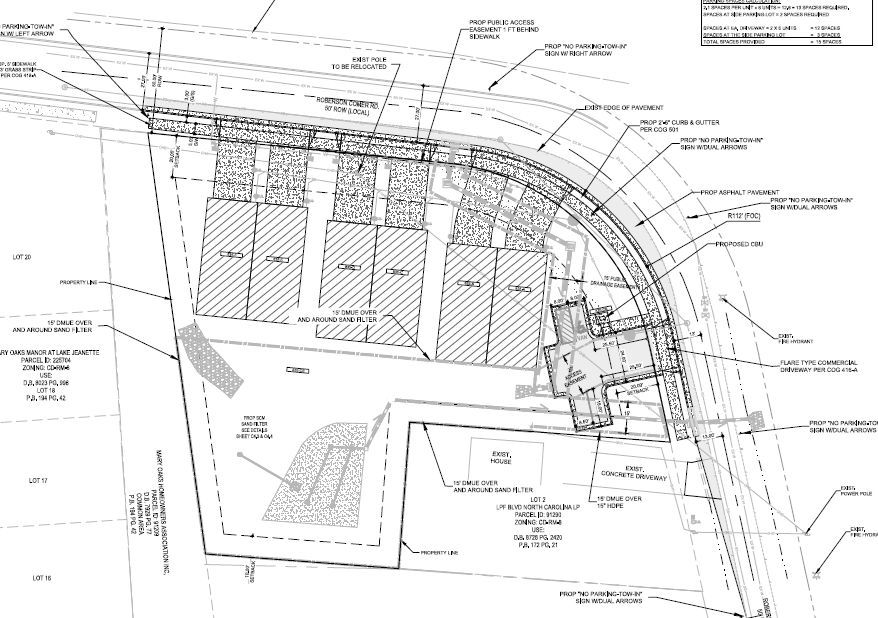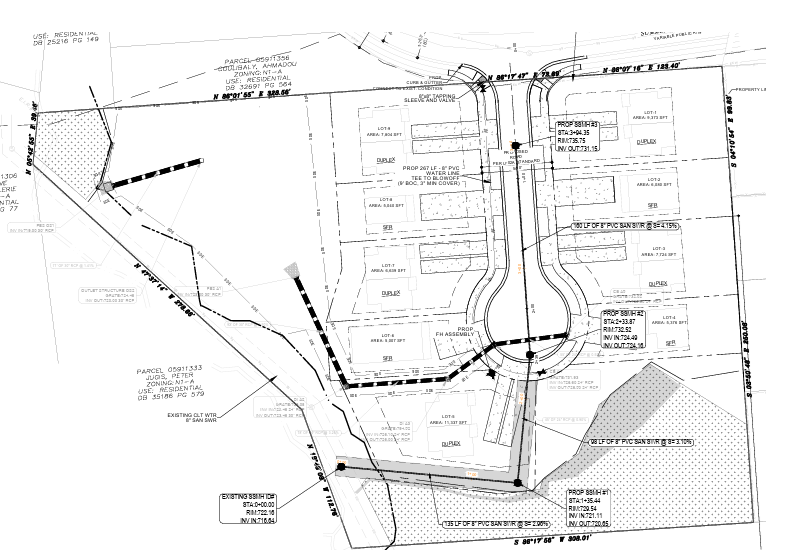

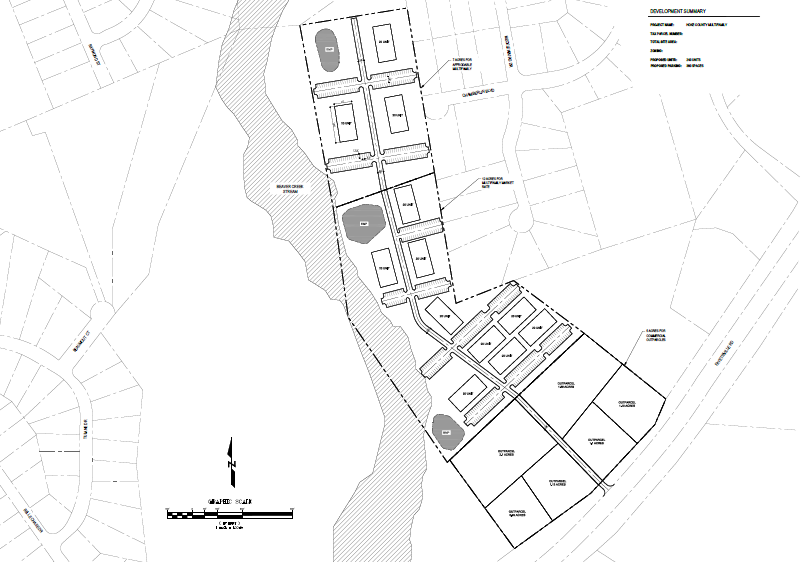
Land development projects often face delays due to issues that were not identified during the early planning stages. These challenges typically emerge after engineering design has begun or, in some cases, after construction has already started.
Understanding the most common causes of land development project delays can help developers avoid costly schedule disruptions and unexpected project expenses.
By identifying potential risks early through feasibility and constructability reviews, developers can significantly reduce the likelihood of project shutdowns.
1. Missing or Incomplete Utility Information
One of the most common issues encountered during construction is missing or incomplete information about existing underground utilities.
Older infrastructure is not always accurately documented in surveys or utility maps. When construction begins, contractors may discover:
• sanitary sewer lines
• water mains
• storm drainage pipes
• electrical infrastructure
• telecommunications lines
Unexpected utility conflicts can require redesigns, agency approvals, or infrastructure relocation.
These discoveries often lead to significant construction delays and additional engineering review.
The American Society of Civil Engineers provides additional guidance on utility coordination and underground infrastructure risks.
https://www.asce.org/
2. Stormwater and Drainage Conflicts
Stormwater systems are one of the most technically complex aspects of land development.
Drainage design must comply with local stormwater regulations, which often require:
• detention basins
• water quality treatment
• downstream impact analysis
• floodplain protection
Inadequate drainage design or conflicts with existing infrastructure can force engineers to revise plans, which may require new agency approvals and additional permitting.
Stormwater design challenges are one of the leading causes of engineering redesign during development projects.
3. Zoning and Density Misinterpretations
Another common issue that causes land development project delays is misunderstanding local zoning regulations.
Zoning determines:
• permitted land uses
• residential density limits
• building height restrictions
• parking requirements
• setback distances
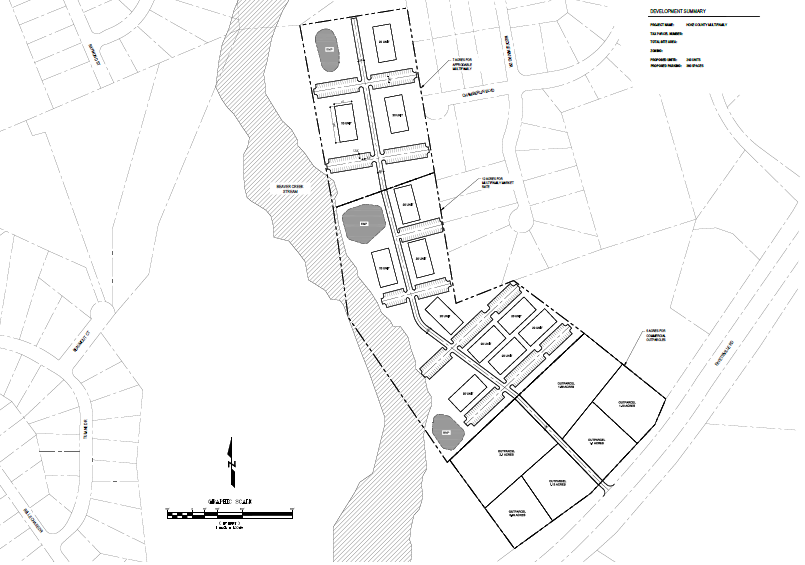
In some cases, developers assume a property can support a certain number of units based on zoning classification, only to discover later that site constraints significantly reduce the achievable density.
If you are trying to determine the development capacity of a site, you may also want to read our guide on how many units you can build on your property.
The Urban Land Institute provides additional insights into zoning considerations for development projects.
https://urbanland.uli.org/
4. Site Grading and Topography Challenges
Physical site conditions can also create unexpected development challenges.
Steep slopes, unstable soils, or significant elevation changes can require extensive grading or retaining structures.
These issues may increase construction costs and, in some cases, reduce the number of buildable lots or units.
Grading conflicts are often discovered during construction when actual field conditions differ from the assumptions used during design.
5. Agency Approval and Permitting Delays
Most development projects require approvals from multiple regulatory agencies.
These may include:
• local municipalities
• transportation departments
• water and sewer authorities
• environmental agencies
If project plans require revisions after initial approval, developers may need to resubmit plans for additional review.
These agency review cycles can add weeks or even months to project timelines.
Understanding approval requirements early in the process can help prevent these delays.
6. Survey Data Gaps
Accurate survey information is essential for producing reliable engineering plans.
However, when survey data is incomplete or missing critical infrastructure information, design plans may not reflect actual field conditions.
Survey gaps can lead to issues such as:
• unidentified underground utilities
• incorrect property boundaries
• missing easements
• inaccurate elevation data
These discrepancies often lead to design conflicts discovered during construction, which can halt progress until revised plans are produced.
How Early Feasibility Reviews Prevent Development Delays
Many of the issues described above can be identified during early project evaluation.
A development feasibility review evaluates:
• zoning and density constraints
• infrastructure availability
• potential utility conflicts
• site grading challenges
• agency approval requirements
By identifying these issues before engineering design begins, developers can reduce the risk of unexpected project delays.
Learn more about our development feasibility consulting services.
Final Thoughts
Land development projects involve complex coordination between surveys, engineering design, regulatory approvals, and construction operations.
When key issues are not identified early in the process, projects may face costly redesigns, permitting delays, or construction shutdowns.
Understanding the common causes of land development project delays can help developers plan more effectively and reduce project risk.
Call to Action
If you are evaluating a development site or preparing to begin a new project, SL Advisory can help identify potential risks before construction begins.
Our feasibility reviews provide developers with early insight into infrastructure constraints, zoning limitations, and constructability considerations.
👉 Contact SL Advisory to request a development feasibility review.