
What Is a Land Development Feasibility Study?
A land development feasibility study evaluates whether a property can support a proposed development project. Developers, landowners, and investors rely on feasibility studies to determine whether land can realistically accommodate residential, commercial, or mixed-use development.
Before investing in engineering design or construction, a feasibility study examines the key factors that determine whether a project is viable. These include zoning regulations, infrastructure availability, site constraints, and potential development yield.
Understanding these factors early helps developers avoid costly surprises and make informed decisions when evaluating land for acquisition or development.
Why Developers Conduct Feasibility Studies
Purchasing land without understanding development constraints can create significant financial risk. A land development feasibility study helps identify potential obstacles before major investments are made.
Developers typically conduct feasibility studies to:
• determine potential development density
• identify infrastructure requirements
• understand zoning restrictions
• evaluate utility availability
• estimate development risks
These evaluations allow developers to understand whether a project is financially and technically achievable.
For example, a property may appear large enough to support a multifamily project, but constraints such as utility access, stormwater requirements, or zoning limitations may significantly reduce the number of buildable units.
If you’re trying to determine potential density, you may also want to read our guide on how many units you can build on your property.
Key Factors Evaluated in a Feasibility Study
A comprehensive land development feasibility study examines several critical elements that influence development potential.
Zoning and Land Use Regulations
Local zoning regulations determine how land can be used and what type of development is permitted.
Zoning ordinances define:
• permitted uses
• residential density limits
• building height restrictions
• setback requirements
• parking standards
These regulations establish the maximum development potential for a site.
For more information on zoning and land use planning, the American Planning Association provides a helpful overview of zoning regulations.
https://www.planning.org/planning/2020/mar/zoning-basics/
Infrastructure and Utility Availability
Access to utilities is one of the most important factors in development feasibility.
A feasibility study reviews the availability of:
• water service
• sanitary sewer systems
• storm drainage infrastructure
• electrical and telecommunications service
In some cases, infrastructure limitations can significantly affect project feasibility. For example, sewer capacity constraints or shallow existing utility lines may require design modifications or infrastructure upgrades.
Site Conditions and Physical Constraints
Every property has unique physical characteristics that affect development potential.
A feasibility study evaluates factors such as:
• topography and grading challenges
• floodplains and drainage corridors
• environmental buffers
• existing easements
• roadway access
These conditions determine the buildable area and influence how a site can be developed.
Development Yield and Concept Layout
A critical part of a land development feasibility study is estimating the development yield.
Yield analysis determines how many residential units or buildings can realistically fit on a site once zoning, parking, infrastructure, and site constraints are considered.
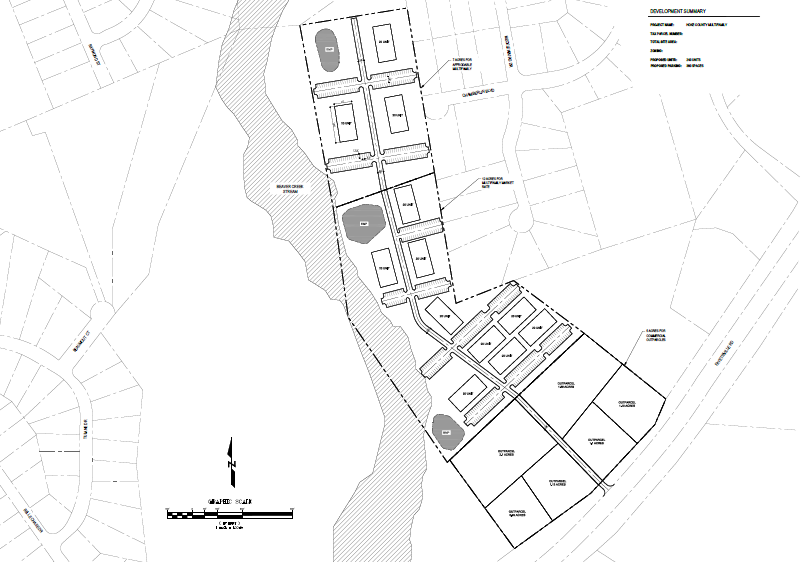
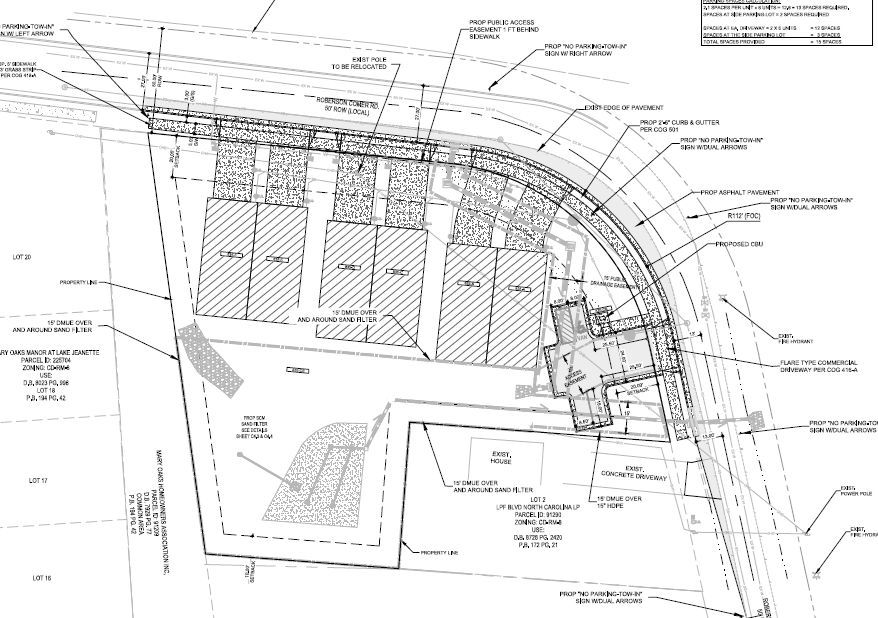
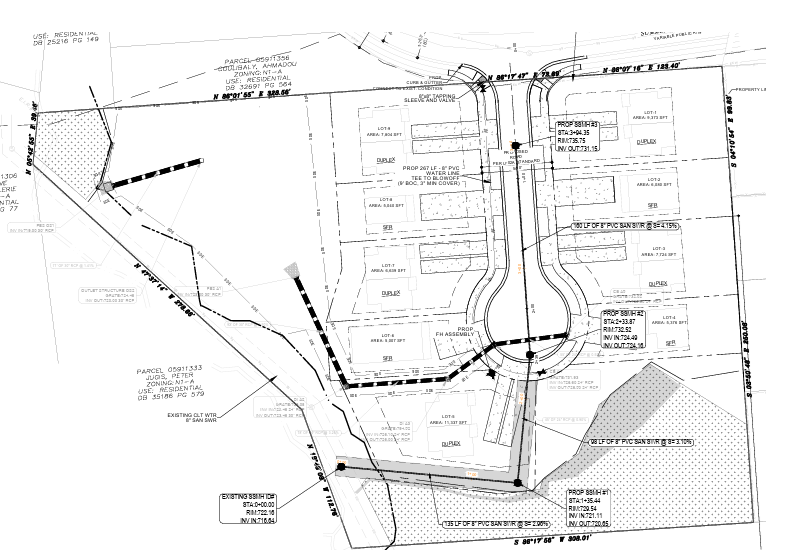
Developers often use conceptual site layouts to visualize how buildings, parking areas, and internal roadways could be arranged within the property boundaries.
If you’re evaluating a site, our development feasibility consulting services can help identify these constraints early in the planning process.
When Should a Feasibility Study Be Conducted?
Developers typically perform feasibility studies at several stages of the development process.
The most common time is before purchasing land. Conducting a feasibility study early allows developers to evaluate whether a property supports their intended project before committing to the acquisition.
Feasibility studies are also useful when:
• evaluating multiple development sites
• determining development density
• planning infrastructure requirements
• preparing for engineering design
By identifying constraints early, developers can avoid delays and unexpected costs later in the development process.
Common Issues Identified During Feasibility Reviews
Many development projects encounter challenges because key issues were not identified early.
A feasibility study can help uncover issues such as:
• missing utilities in survey data
• stormwater drainage conflicts
• limited sewer capacity
• zoning restrictions
• access and roadway limitations
Addressing these issues early allows developers to adjust project plans before engineering design begins.
How SL Advisory Supports Development Feasibility
SL Advisory provides early-stage land development feasibility studies that help developers evaluate sites before moving into detailed engineering design.
Our feasibility reviews evaluate:
• zoning and development potential
• preliminary unit yield analysis
• infrastructure availability
• site constraints and risk factors
• constructability considerations
By identifying these factors early, developers gain a clearer understanding of development potential and project risks.
Learn more about our development feasibility consulting services.
Final Thoughts
A land development feasibility study is one of the most important steps in the development process. Evaluating zoning, infrastructure, and site constraints early helps developers determine whether a project is viable before investing significant time and capital.
By conducting feasibility studies before engineering design begins, developers can reduce risk, improve project planning, and make more informed investment decisions.
Call to Action
If you are evaluating land and want to understand its development potential, SL Advisory can help.
Our feasibility studies provide developers with early insights into infrastructure constraints, zoning limitations, and potential development yield.
👉 Contact SL Advisory to request a site feasibility review.