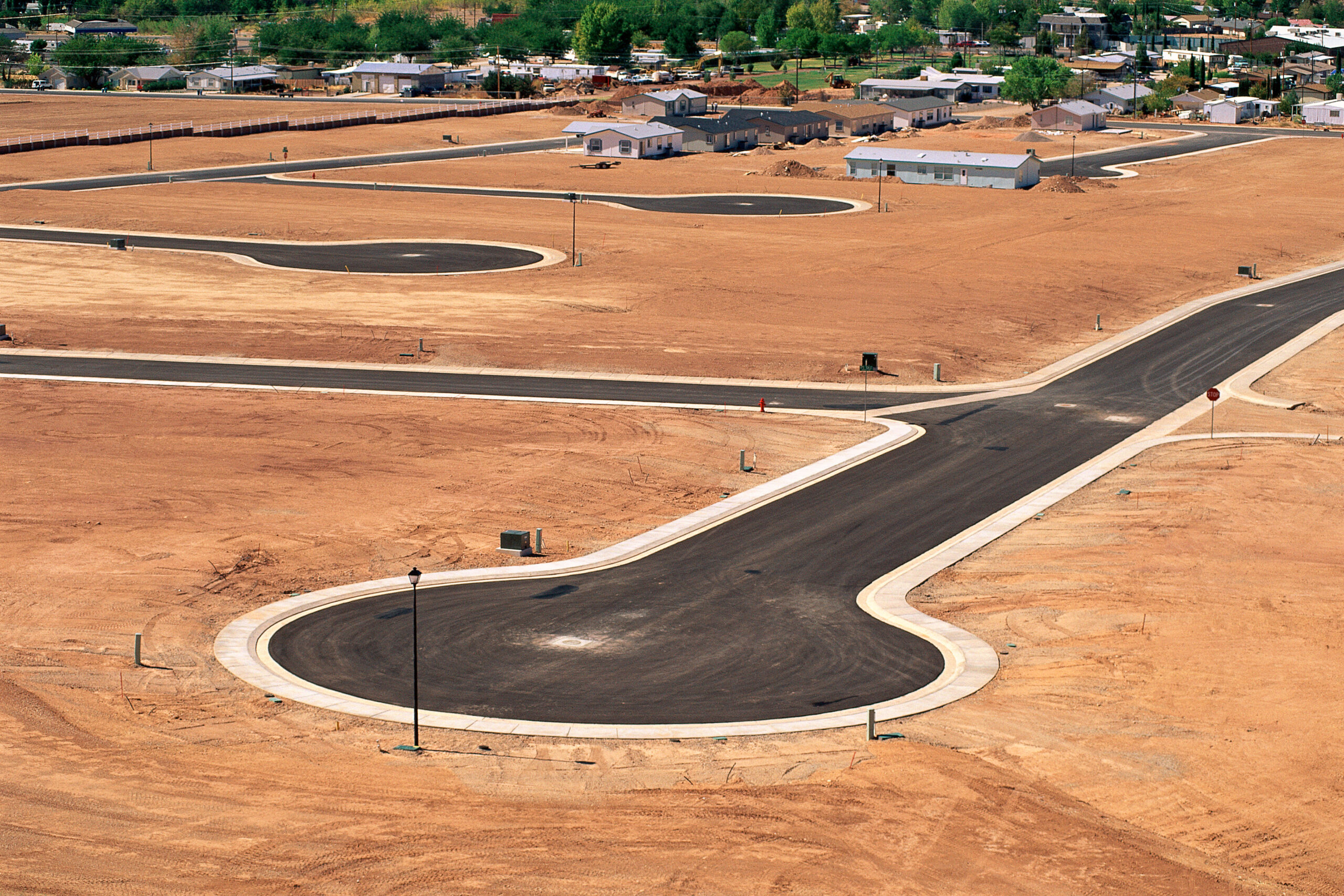

Most people assume the biggest financial risks in land development begin when construction starts. They picture unexpected rock excavation, bad weather, labor shortages, or material price increases driving projects over budget. While those challenges certainly exist, they aren’t what causes most developments to fail. In my experience, the most expensive mistakes have usually been made long before the first excavator arrives on site. They happen during the property evaluation process, when critical assumptions are accepted as facts and important questions are never asked.
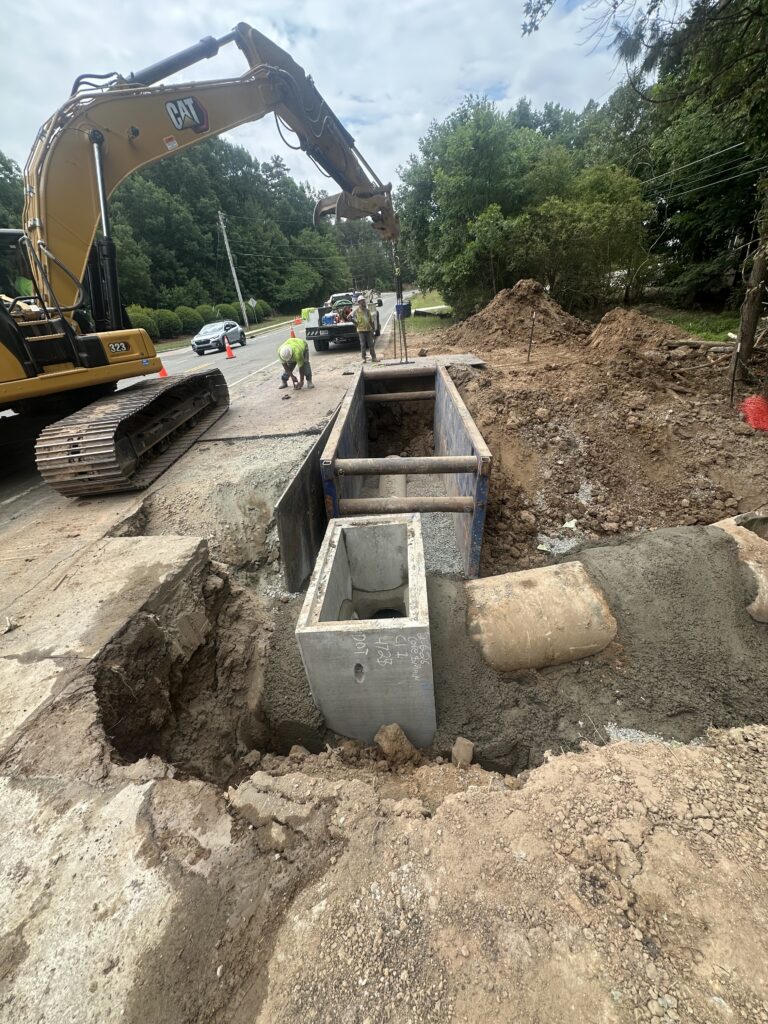
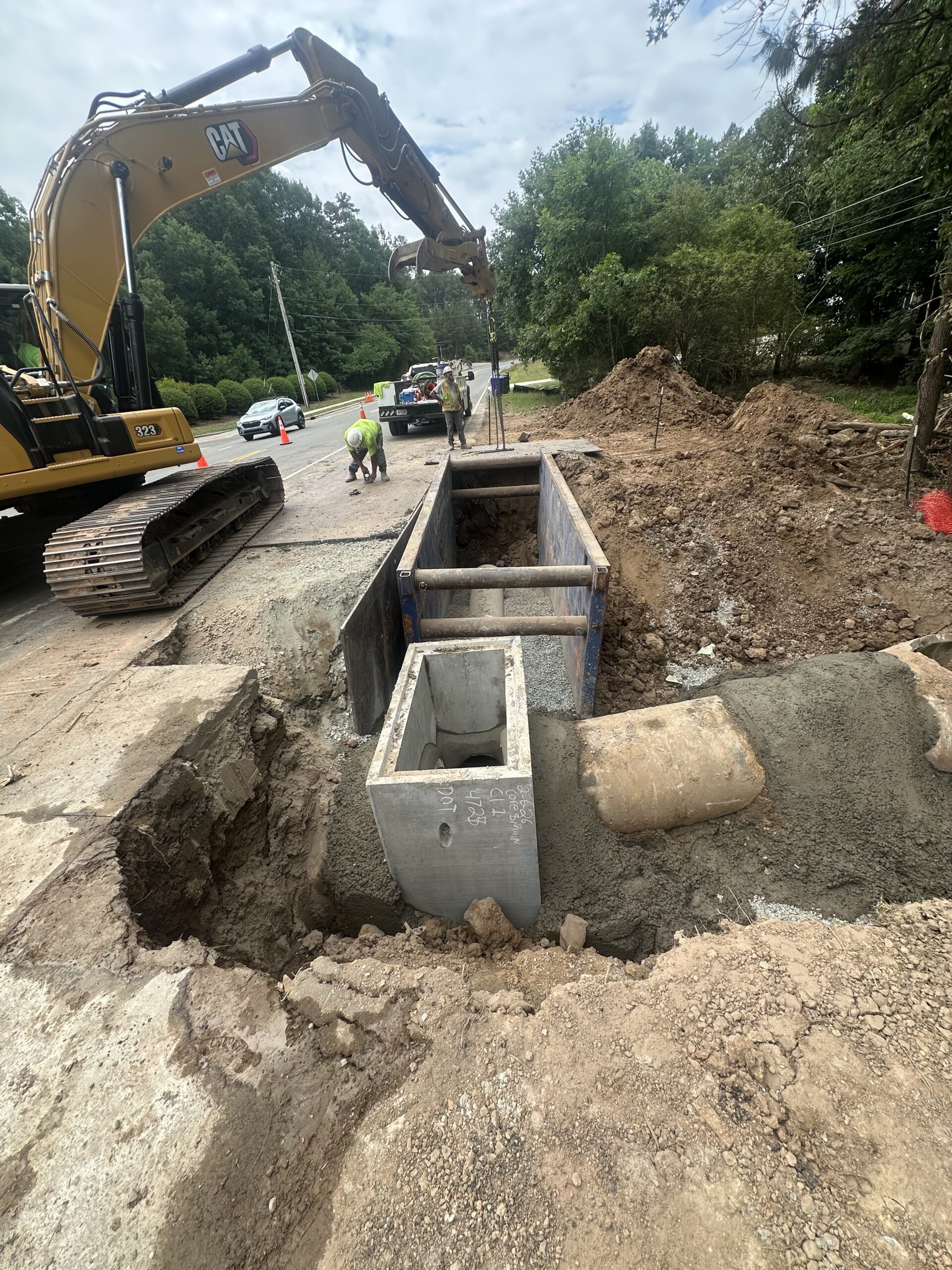
I’ve spent my career constructing the infrastructure that makes development possible. I’ve installed water and sewer systems beneath busy highways, worked through complex utility conflicts, coordinated with municipalities and state agencies, and watched projects move from a concept on paper to completed communities. Along the way, I’ve also seen promising developments come to a standstill because of problems that could have been identified before the property was ever purchased. A sewer main was too shallow to provide gravity service. A water line existed but couldn’t deliver the capacity the project required. An easement that everyone assumed was available had never been secured. A routine roadway connection triggered extensive permitting and off-site improvements that no one had budgeted for. None of these discoveries happened because the project was poorly constructed. They happened because the wrong questions were asked—or, more often, because the right questions were never asked.
That’s what inspired me to create SL Advisory.
After years of building public infrastructure, I realized developers and investors needed more than engineering after a property was under contract. They needed experienced guidance before making one of the largest financial decisions of a project. They needed someone who understood not only how infrastructure is designed, but how it is actually built, permitted, inspected, and paid for. The goal wasn’t simply to determine whether a project could be engineered. It was to determine whether it could be executed efficiently, economically, and with a clear understanding of the risks that so often remain hidden until it’s too late.
Too often, I see buyers place their confidence in statements like, “The property has public water and sewer,” or “Utilities are available at the road.” Those comments sound reassuring, but they rarely tell the whole story. A utility line on a map doesn’t guarantee service. It doesn’t reveal whether there’s sufficient capacity, whether costly off-site improvements will be required, whether another agency has jurisdiction, or whether the existing infrastructure can physically serve the proposed development. The difference between available and developable is where many projects gain—or lose—hundreds of thousands of dollars.
This article isn’t intended to discourage anyone from investing in land. Quite the opposite. Land development continues to create tremendous opportunities for those who approach it with the right information. My goal is to share the lessons I’ve learned from years in the field, explain where costly mistakes are most likely to occur, and help developers, investors, builders, and landowners make better decisions before construction ever begins. Because in land development, the projects that succeed aren’t always the ones with the best locations or the lowest purchase prices. More often than not, they’re the ones where someone took the time to uncover the hidden risks before they became expensive realities.
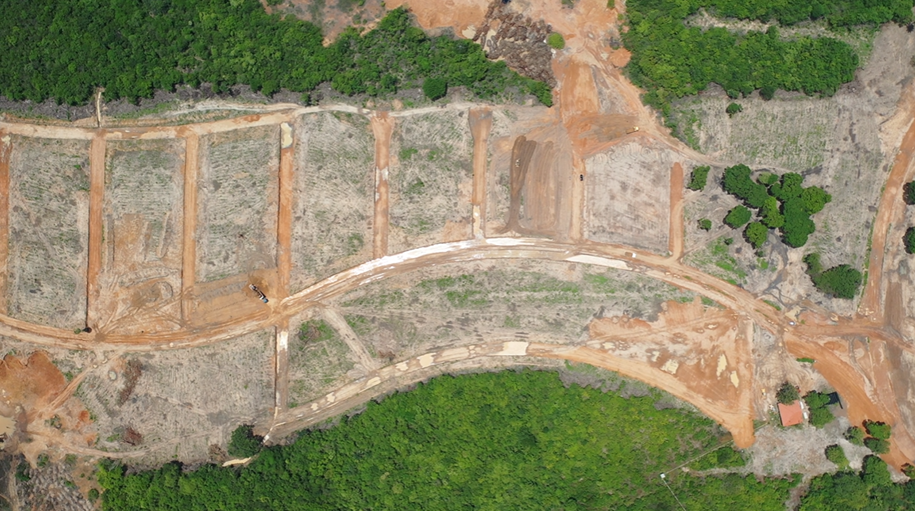
Looking at Land Through the Wrong Lens
One of the biggest misconceptions in land development is that buying land is primarily a real estate decision. In reality, it’s an infrastructure decision.
Most buyers begin their evaluation by asking familiar questions. Is the location desirable? Does the zoning support the intended use? How much road frontage does the property have? Are public water and sewer nearby? Is the asking price reasonable?
Those are all important considerations, but they only tell part of the story.
What they don’t reveal is whether the property can actually be developed the way you envision, how much it will cost to make it buildable, or how long it will take to navigate the approvals required to get there. That’s where many projects begin to drift away from the optimistic assumptions made during acquisition.
I’ve learned that land has two very different values. The first is its market value—the price someone is willing to pay for it today. The second is its development value—the cost, complexity, and risk involved in transforming that property into a finished project. Those two numbers are rarely the same, and the gap between them is where developers either create wealth or lose it.
I’ve seen beautiful properties with excellent visibility and strong market demand become financially unworkable because of infrastructure requirements that weren’t discovered until after closing. I’ve also seen parcels that others overlooked become outstanding investments because someone took the time to understand the site’s constraints and develop a practical strategy to overcome them. The difference wasn’t luck. It was information.
That’s why I encourage clients to stop asking, “Can I buy this property?” and start asking, “What will it take to develop this property?” Those are fundamentally different questions.
The first focuses on the transaction. The second focuses on execution.
Execution is where projects succeed or fail.
A property may have public utilities nearby, but can they serve the proposed development without major off-site improvements? The zoning may permit the intended use, but will the site layout satisfy setbacks, stormwater requirements, parking standards, and fire access? Road frontage may appear adequate, but will the transportation authority require additional turn lanes, deceleration lanes, or roadway improvements before granting access? Even grading can become a deciding factor if steep terrain, poor soils, or drainage conditions significantly increase construction costs.
None of these challenges are obvious from an online listing or a quick drive past the property. They require a deeper understanding of how development actually happens—from permitting and utility coordination to field construction and final inspections.
That’s the lens I believe every development opportunity should be viewed through. Before falling in love with the property’s potential, understand the obstacles standing between today’s vacant land and tomorrow’s completed project. The sooner those obstacles are identified, the more options you have to address them. Sometimes the solution is redesigning the site. Sometimes it’s renegotiating the purchase price. And sometimes, the smartest investment decision is recognizing that the deal doesn’t make financial sense and walking away before it becomes an expensive lesson.
The Property Has Water and Sewer.” That’s Where the Real Questions Begin.
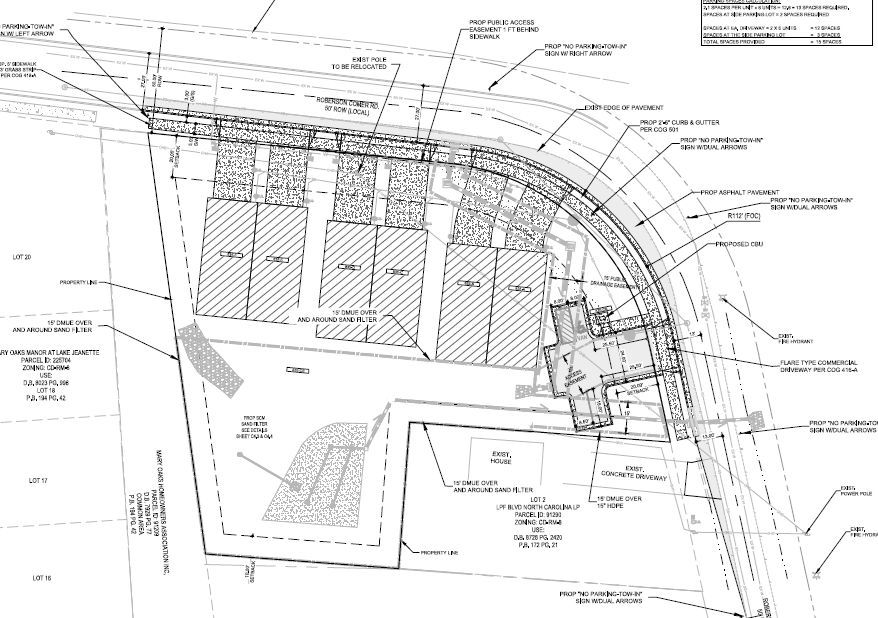
If I had a dollar for every time someone told me a property had “public water and sewer available,” I could probably buy a few pieces of land myself.
It’s one of the most common statements you’ll hear in commercial real estate, and it’s also one of the most misunderstood.
When someone says utilities are available, they’re usually referring to the fact that a water line or sewer main exists somewhere near the property. While that’s certainly a good starting point, it tells us very little about whether the site can actually be developed as intended. In many cases, it creates a false sense of confidence that leads buyers to believe one of the biggest pieces of due diligence has already been checked off the list.
In reality, that’s where my evaluation begins.
The first question isn’t whether utilities exist. The first question is whether those utilities can serve the development you’re planning to build.
Those are two very different conversations.
I’ve worked on projects where a water main ran directly in front of the property, yet the developer was still required to construct hundreds of feet of new public water infrastructure before service would be approved. I’ve seen sewer mains located within a short distance of a site that couldn’t provide gravity service because the existing pipe elevations were too high. I’ve seen projects that appeared straightforward until utility capacity studies revealed that upgrades to the public system would be required before new connections could be made.
None of those challenges were visible from a property listing or an online GIS map.
That’s why utility feasibility goes far beyond identifying where the nearest water or sewer line is located. It requires understanding pipe sizes, invert elevations, pressure zones, available capacity, ownership, easement rights, municipal standards, future capital improvement plans, and the specific requirements of the agency responsible for the system. Every one of those factors can influence whether a project moves forward efficiently or becomes an unexpected financial burden.
Just as important is understanding who pays for the improvements.
Many buyers assume that if a public utility benefits the surrounding community, the municipality will cover the cost of extending it. In practice, that’s often not the case. Developers are frequently responsible for constructing water and sewer extensions, installing fire hydrants, relocating existing utilities, acquiring easements, and restoring roadways after construction. Those obligations can add hundreds of thousands of dollars to a development budget before vertical construction even begins.
This is why I caution clients against relying on simple answers to complex questions. Utility availability isn’t a yes-or-no issue. It’s a technical evaluation that requires understanding not only where infrastructure exists today, but how it interacts with the specific demands of the project you’re proposing.
I’ve learned that the difference between a profitable development and an expensive lesson often comes down to the questions that were asked before the property changed hands. The developers who consistently make good decisions aren’t necessarily taking fewer risks. They’re simply taking the time to understand them before they commit their capital.
What Doesn’t Show Up on a Property Listing
If you’ve ever browsed commercial real estate listings, you’ve probably noticed they all have something in common. They highlight the property’s best attributes. Excellent visibility. Strong traffic counts. Public utilities. Prime location. Development potential. Those are the features that attract buyers, and rightfully so. But the information that ultimately determines whether a project succeeds is rarely found in the marketing brochure.
The challenges that have the greatest impact on a development often exist beneath the surface—literally and figuratively.
I’ve walked properties that looked almost perfect until we started digging deeper. Aerial imagery showed plenty of open ground, but utility records revealed a maze of existing infrastructure crossing the site. A seemingly simple water connection required crossing multiple easements owned by neighboring properties. A proposed entrance that looked straightforward on paper became a lengthy permitting process once the state transportation agency became involved. None of those issues were apparent during the initial property tour, yet each one had the potential to add significant cost and months to the project schedule.
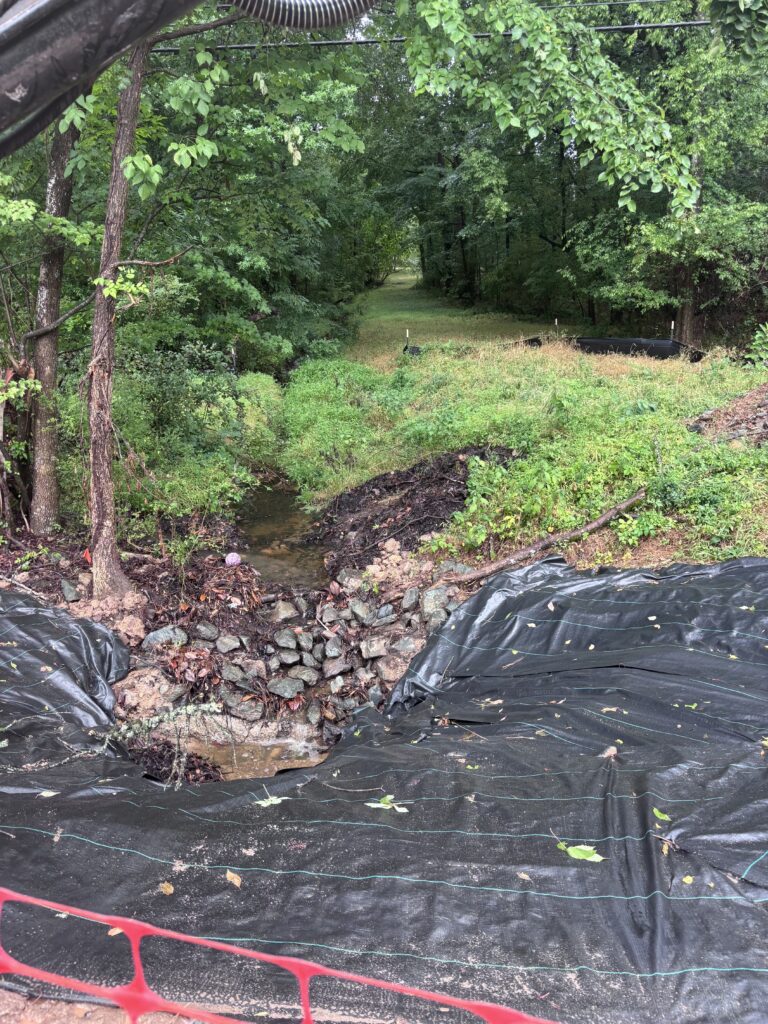
One of the most overlooked risks is drainage. A property may appear flat, dry, and easy to develop after a week of sunny weather, but stormwater doesn’t care what the site looked like on the day you walked it. Existing drainage patterns, downstream impacts, floodplain boundaries, and stormwater management requirements can dramatically reduce the amount of usable land or require expensive infrastructure that wasn’t part of the original budget. I’ve seen developments lose valuable building area because these factors weren’t evaluated until after the design process had already begun.
Roadway access presents another hidden challenge. Many buyers assume that because a property fronts a public road, obtaining a driveway permit will be relatively simple. In reality, the agency with jurisdiction may require turn lanes, deceleration lanes, traffic studies, sight-distance improvements, or restrictions on where access can be located. Those requirements don’t just increase construction costs; they can fundamentally change the way a site must be designed.
Then there are easements, which are often treated as a minor legal detail until they become a construction problem. Existing utility easements may restrict where buildings can be placed. New easements may need to be negotiated before utilities can be extended to the site. If those easements cross neighboring properties, the success of your project may depend on agreements with people who have no obligation to cooperate. That’s not the kind of surprise you want to discover after you’ve closed on the property.
Even something as simple as topography can have a profound impact on development costs. A site that looks relatively level from the road may require substantial grading to create buildable pads, maintain positive drainage, or establish the elevations necessary for gravity sewer service. What appears to be a minor grading adjustment during due diligence can translate into thousands of cubic yards of earthwork, retaining walls, or imported structural fill once construction begins.
This is why I encourage clients to look beyond what a property is and begin asking what it demands. Every site has constraints. Some are obvious, while others remain hidden until someone takes the time to investigate them. The objective isn’t to find land with no challenges—that property rarely exists. The objective is to understand those challenges early enough to make informed decisions, develop realistic budgets, and determine whether the opportunity still makes financial sense.
The best developers I’ve worked with aren’t successful because they avoid complicated projects. They’re successful because they identify complexity before they commit to it. They understand that uncertainty is part of development, but unnecessary surprises don’t have to be. When hidden risks are uncovered during due diligence instead of during construction, they become planning considerations instead of financial emergencies.
Experience Sees What Maps Cannot
Technology has transformed the way development projects are evaluated. Today, we have access to high-resolution aerial imagery, GIS mapping, LiDAR data, online zoning maps, utility atlases, and more public information than ever before. Those tools are incredibly valuable, and I use them on every project. They allow us to gather information quickly and identify potential issues that would have taken days to research just a few years ago.
But technology has one important limitation.
It only tells you what has been documented.
It doesn’t tell you what will happen when construction begins.
A GIS map might show an existing sewer main, but it won’t tell you whether that sewer can actually provide gravity service to your proposed building. Utility records may identify the location of a water line, but they don’t explain whether the utility provider will require a main extension, additional fire protection, or system improvements before approving new service. A topographic map can illustrate changes in elevation, but it won’t tell you how those grades will affect construction sequencing, equipment access, or the amount of earthwork required to make the site buildable.
Those answers don’t come from software.
They come from experience.
One of the greatest advantages of spending years in the field is that you begin to recognize patterns. You learn where projects typically run into trouble, which agency requirements are likely to affect a site, and what questions need to be answered before those issues become expensive. You stop looking at individual pieces of information and begin understanding how they interact with one another.
When I evaluate a property, I’m not just studying maps and reports. I’m mentally building the project.
I’m asking myself where utilities will enter the site, how crews will install them, whether trench depths will create constructability challenges, how stormwater will move across the property during construction, where inspectors are likely to focus their attention, and which approvals have the greatest potential to delay the schedule. Those aren’t questions you learn from a textbook. They’re questions you learn after watching projects succeed—and watching others struggle because critical details were overlooked.
That’s one of the reasons I believe development due diligence should never be treated as a simple checklist. Every property is different. Every municipality has its own standards, priorities, and review processes. Every site presents a unique combination of opportunities and constraints. Two parcels located on the same road can require completely different development strategies because of differences that aren’t obvious until someone with practical experience begins connecting the dots.
I’ve always believed that information becomes valuable when it’s interpreted through experience. Data alone doesn’t reduce risk. Understanding what that data actually means does.
That’s the difference between gathering information and providing advice.
Anyone can tell you where the utilities are located.
An experienced advisor should be able to tell you what those utilities mean for your project, what obstacles you’re likely to encounter, and how those obstacles can affect your budget, schedule, and overall investment. That’s the kind of insight that helps developers make confident decisions before committing significant capital, and it’s the perspective that has shaped every project I’ve evaluated through SL Advisory.
The Cost of Asking the Wrong Questions
Over the years, I’ve noticed something interesting about development projects that encounter major problems. Rarely do they fail because someone wasn’t smart enough or experienced enough. More often than not, they struggle because everyone involved was working from the same assumption—that someone else had already asked the important questions.
The engineer assumed utility availability had been confirmed during acquisition.
The buyer assumed the broker had accurate information.
The lender assumed the due diligence process had addressed development risk.
The contractor assumed the plans reflected existing field conditions.
Everyone was moving in the same direction, but no one had stepped back to ask whether the project was truly ready to move forward.
I’ve watched projects come to a complete stop because an existing sewer line couldn’t provide the depth required for gravity service. On paper, the utility was there. In reality, the site couldn’t be developed as originally planned without redesigning significant portions of the project. That discovery didn’t just increase construction costs. It affected engineering, permitting, scheduling, financing, and every decision that followed. A single overlooked detail created a ripple effect that impacted the entire development.
I’ve seen projects where access appeared straightforward until transportation officials required improvements that hadn’t been anticipated. What began as a simple driveway connection evolved into additional design work, permitting, coordination with multiple agencies, and construction costs that were never part of the original financial projections. The property hadn’t changed. The understanding of what was required had.
I’ve also seen buyers spend months negotiating purchase prices while giving very little attention to the infrastructure that would ultimately determine whether the project made economic sense. Saving fifty thousand dollars during negotiations feels like a victory until you discover five hundred thousand dollars in off-site utility improvements after closing. At that point, the purchase price becomes one of the smallest numbers in the overall development budget.
Those experiences reinforced something I now tell every client.
Don’t focus solely on what the property costs.
Focus on what the property requires.
Those are rarely the same number.
A parcel with a higher purchase price may ultimately become the better investment if utilities, roadway access, grading, and permitting are straightforward. Conversely, a bargain property can become remarkably expensive when hidden infrastructure requirements begin to surface. I’ve watched developers walk away from properties that initially seemed too expensive, only to realize later that they had avoided a much larger financial commitment. I’ve also watched buyers pursue what they believed was an incredible deal, only to discover that the true cost of development was far greater than anyone anticipated.
One of the most valuable outcomes of thorough due diligence isn’t simply identifying risk. It’s creating certainty. Even when challenges exist—and they almost always do—understanding them before closing allows developers to make informed decisions. They can renegotiate the purchase price, adjust the site layout, revise their financial projections, or, if necessary, walk away before committing significant capital.
Walking away from a bad deal is not a failure.
In many cases, it’s one of the most profitable decisions a developer will ever make.
That’s why I believe development due diligence isn’t about finding reasons to kill projects. It’s about replacing assumptions with facts. Every unanswered question represents uncertainty, and uncertainty is expensive. The earlier those questions are answered, the greater your ability to control cost, manage risk, and move into construction with confidence rather than hope.
Before You Break Ground, Understand What You’re Standing On
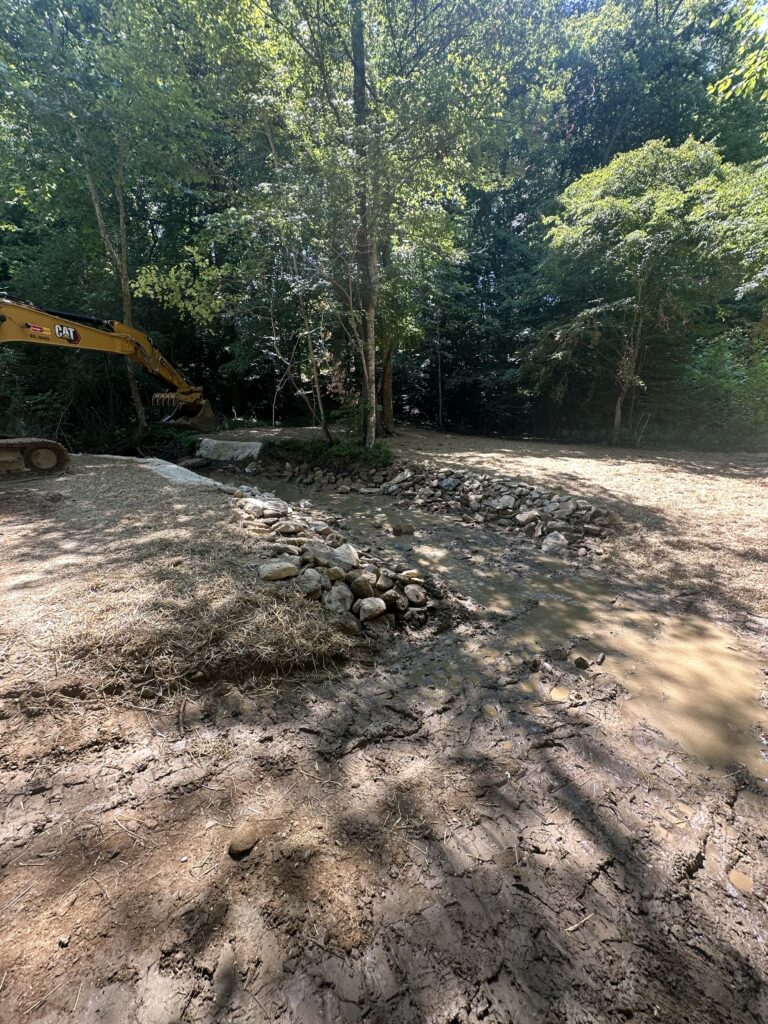
One of the greatest lessons I’ve learned over the course of my career is that every piece of land has a story. Some stories are obvious the moment you walk the property. Others remain hidden beneath the surface until construction begins. The challenge isn’t that those risks exist. Every development project has them. The challenge is discovering them when you still have the ability to make informed decisions.
The most successful developers I’ve worked with aren’t the ones who never encounter problems. They’re the ones who understand those problems before they commit millions of dollars to solving them. They don’t rely on assumptions or hope that everything will work itself out during design. They ask difficult questions early, seek experienced advice, and build their projects on a foundation of facts rather than optimism.
That’s ultimately why SL Advisory exists.
Not to replace engineers, surveyors, or contractors, but to help bridge the gap between buying land and developing it. Our role is to identify the risks that aren’t obvious, explain what they mean for your project, and provide the clarity needed to make confident investment decisions before significant time and money have been committed.
Every successful development begins with a vision. But vision alone doesn’t build projects. It takes planning, experience, and a clear understanding of the challenges that lie ahead.
The most expensive mistakes in land development don’t happen because people lack ambition or expertise. They happen because critical questions weren’t answered early enough.
Ask those questions before you close.
Not after you break ground.